User flows are the new apps
ChatGPT Apps open a new way of considering apps, defining them by a set of flows triggered by an intent detection, rather than by a whole entity. For the user’s benefit.

How traditional apps work
If we think about it, the way we ship apps is extremely inefficient: we send the integrity of what we offer to people who will only use a tiny fraction of it. This is literally what happens when you download a mobile app for example, or when you load a web app on your browser. Of course, you can answer saying “Who cares ? Storage and bandwidth are cheap!” and you’ll be right to think so.
However, there is more than potential performance issues when delivering the whole jungle to someone who asked for a banana: we are over-complicating our apps, forcing users to figure out themselves where they should go. Complexity takes real estate and makes it overwhelming for users, increasing the time and energy required to complete an action.
I know we do consider user stories and improve them, but when the same platform delivers hundreds of them, they cannot be intuitive. Let’s take an example: I have many bank accounts and something I often do is to display my bank account details. Simple, right? But in all my apps that feature is NEVER at the same place, so it pisses me off.
This could have been done better right?
Considering User flows
A user flow is the path of a user who completes a task. It starts with an intent and ends up with a goal, with some steps in the middle. It is a bit different than workflows, another sequence of steps that is centered on processes, not users.
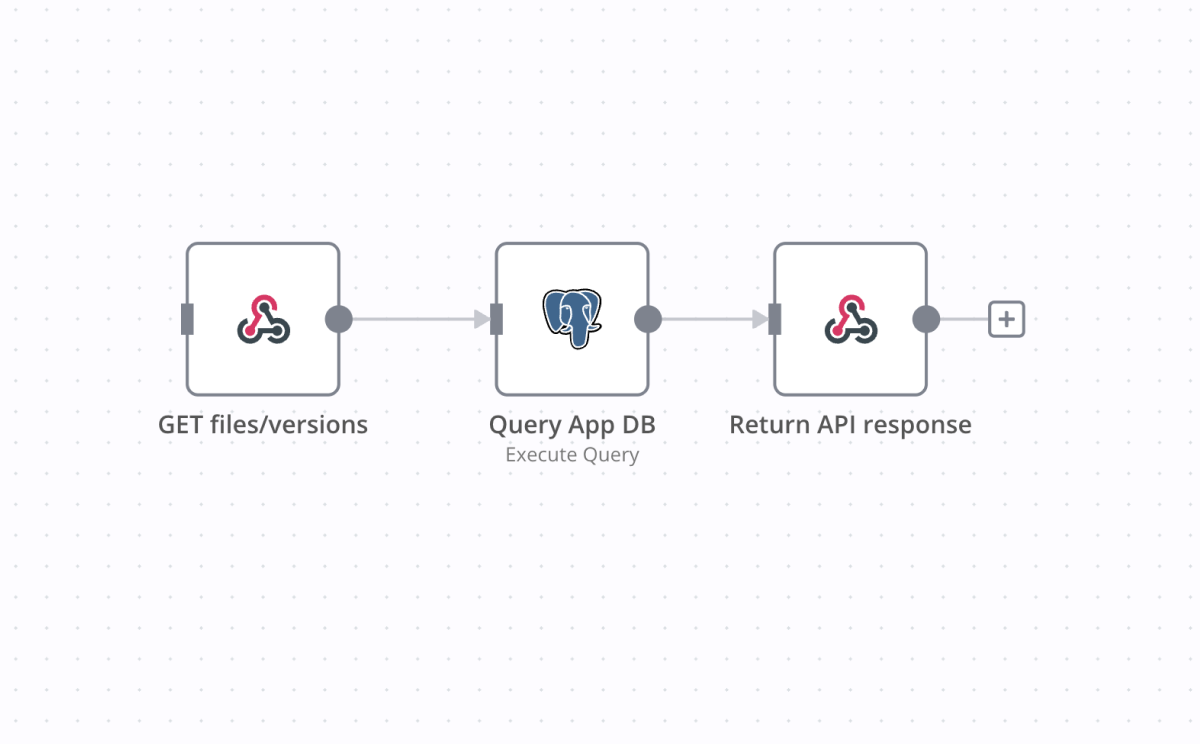
In both cases, we describe our app not by what it is or how it’s built, but what it does. Even if we make some technical shortcuts, we are caring more about our users than ourselves, good direction!
Right, but nothing new here! Correct. But now we have at our disposal the perfect tool to detect user’s intent: AI.
And this changes literately everything.
Instantly understanding user’s intention and delivering the corresponding flow makes everything better for the user.
Let’s go back to my bank account details. Imagine the prompt on a chat like ChatGPT:
@myBank display my bank account detailsThis sentence says it all! There is 0 ambiguity about my intent even for the dumbest LLM. The app can now show me my bank account in the simplest way, because the system knows that I need that and nothing else.
And this is where the magic happens: we can now safely remove the 99% of the app and only deliver the content that our users want.
We can rethink our banking app segmented by user flows:

That simplified example can be powered by a chat agent and an MCP Server, with an optional in-chat UI. If we get creative, we can imagine similar user flows with any AI system capable of guessing an intent and trigger a flow, either visual, vocal or physical
Conclusion: Are flows going to replace apps?
Not really. We still need apps and websites for users to browse content, forge their opinion on something, dig on something and so on. Browsing is serendipity, it’s nice.
However, sometimes users have really straightforward intentions, and this is where flows are effective. Delivering only what people want is way faster and easier for users.